


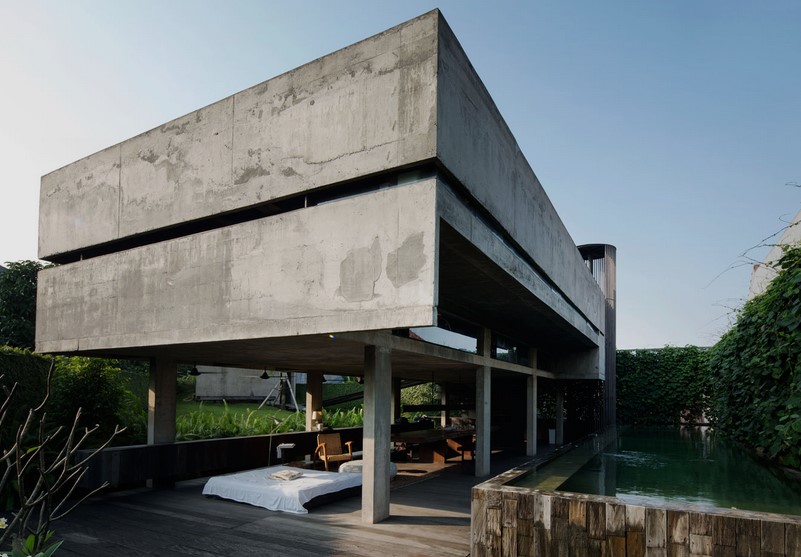
Indonesia’s architectural identity is shaped by a blend of tradition, climate responsiveness, and modern innovation. In recent years, the rise of industrial design has introduced a new layer to this identity—one that merges raw materials, functional aesthetics, and contemporary construction solutions. At the center of this evolution is the use of advanced materials such as , which supports both visual appeal and long-term durability.
At the same time, inspiration drawn from continues to influence how designers integrate local character into modern structures. This article explores how these elements come together across different design applications.
The Evolution of Indonesian Architecture
Traditional Indonesian architecture reflects regional diversity, from Joglo houses in Java to Rumah Gadang in Sumatra. These structures emphasize natural ventilation, local materials, and harmony with the environment.
Modern interpretations of adapt these principles into contemporary contexts. Architects now combine traditional spatial concepts with modern materials, allowing buildings to maintain cultural relevance while meeting current functional needs.
This evolution is particularly visible in urban areas, where land constraints and lifestyle changes require more flexible and efficient designs.
The Rise of Industrial Design in Indonesia
Industrial design has become increasingly popular in Indonesian architecture due to its simplicity and practicality.
Key characteristics include:
- Exposed structural elements
- Neutral color palettes
- Use of steel, concrete, and metal finishes
- Minimal ornamentation
This approach aligns well with urban living, where efficiency and adaptability are essential. Materials like play a role in achieving these aesthetics while providing durability and weather resistance.
Industrial Interior Design in Modern Spaces
Industrial interior design focuses on creating functional yet visually engaging indoor environments.
Common elements include:
- Open layouts
- Exposed pipes and beams
- Metal and wood combinations
- Natural lighting
In Indonesian contexts, this style is often adapted to suit tropical climates. For example, ventilation and shading are carefully integrated to maintain comfort.
Designers frequently draw from to incorporate local textures and cultural elements into otherwise minimalist interiors.
Industrial Home Design: Balancing Comfort and Function
Industrial home design has gained popularity among homeowners seeking a modern yet practical living environment.
Features often include:
- Open-plan living areas
- Durable materials for long-term use
- Simple, clean lines
- Integration of indoor and outdoor spaces
Using materials such as allows homeowners to achieve a contemporary look while ensuring resistance to Indonesia’s humid and tropical conditions.
This balance between form and function is essential for creating homes that are both aesthetically pleasing and comfortable.
Industrial Cafe Design and Urban Lifestyle
The growth of café culture in Indonesia has driven demand for distinctive and visually appealing spaces.
Industrial cafe design is particularly popular because it offers:
- A relaxed, informal atmosphere
- Flexible layouts for different seating arrangements
- Aesthetic appeal for social media
Exposed materials and simple finishes create an authentic environment that resonates with urban audiences.
Many café designs also incorporate elements of , blending local identity with modern industrial aesthetics.
Industrial Office Design for Productivity
Workspaces are evolving, and industrial office design reflects this shift.
Key considerations include:
- Open work areas to encourage collaboration
- Efficient use of space
- Durable materials for high-traffic environments
- Integration of natural light
Companies often work with an industrial design company to create offices that align with their brand identity while supporting employee productivity.
Materials like contribute to a clean and professional appearance, while also offering practical benefits such as low maintenance.
Industrial Apartment Design in Urban Areas
With increasing urban density, industrial apartment design has become a practical solution for compact living.
This approach emphasizes:
- Space efficiency
- Multi-functional furniture
- Minimalist aesthetics
- Durable finishes
Apartments designed with industrial principles often feel more spacious due to their open layouts and neutral tones.
Incorporating elements inspired by can add warmth and cultural relevance to these modern spaces.
The Role of Materials in Modern Design
Material selection plays a crucial role in both aesthetics and performance.
Modern architectural projects increasingly rely on materials that offer:
- Durability in tropical climates
- Resistance to corrosion and weather
- Low maintenance requirements
- Design flexibility
is one example of a material that meets these criteria, making it suitable for a wide range of applications, from roofing to wall cladding.
Its versatility allows architects and designers to experiment with different forms while maintaining structural reliability.
Conclusion
The intersection of indonesian architecture and modern industrial design represents a significant shift in how buildings are conceived and constructed. By combining traditional principles with contemporary materials and techniques, architects can create spaces that are both functional and culturally meaningful.
From industrial home design to industrial office design and industrial cafe design, this approach continues to influence a wide range of projects across Indonesia. Materials like support this evolution by providing practical solutions that align with modern design requirements.
As urban environments continue to grow, the integration of local identity with global design trends will remain an important aspect of architectural development.
FAQ
What defines Indonesian architecture?
Indonesian architecture is characterized by regional diversity, climate adaptation, and the use of local materials.
Why is industrial design popular in Indonesia?
It offers a practical, modern aesthetic that suits urban living and flexible spaces.
What is industrial interior design?
It focuses on functional spaces with exposed materials and minimal decoration.
How is industrial design applied in homes?
Through open layouts, durable materials, and integration of indoor and outdoor areas.
What role do materials like Colorbond play?
They provide durability, design flexibility, and suitability for tropical climates.