


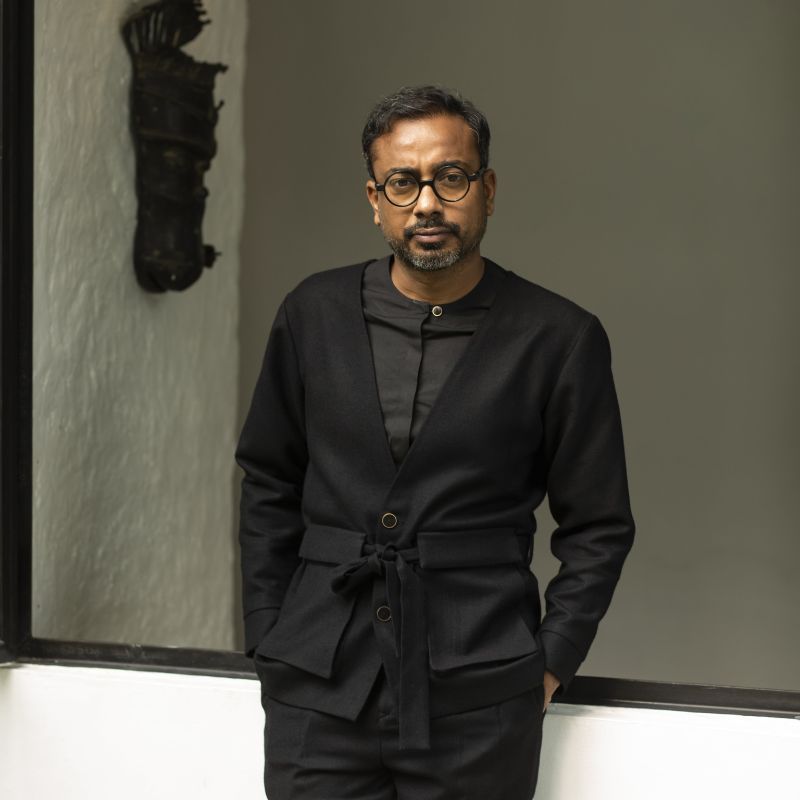
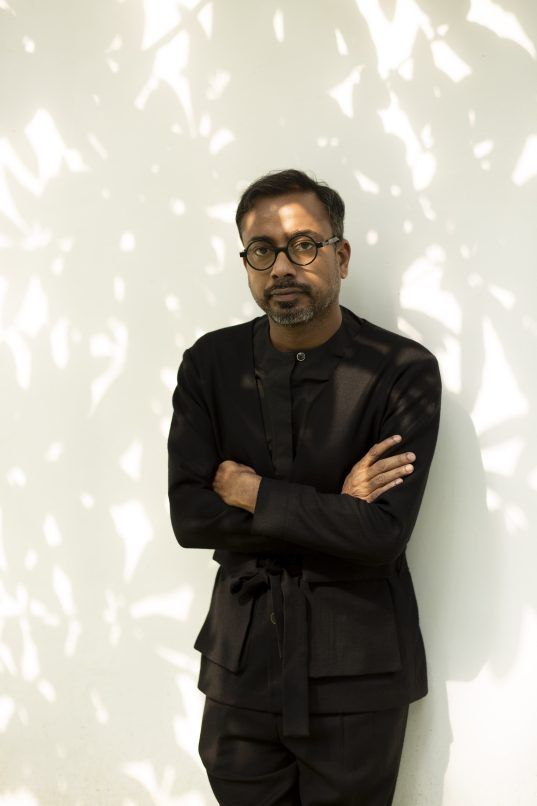
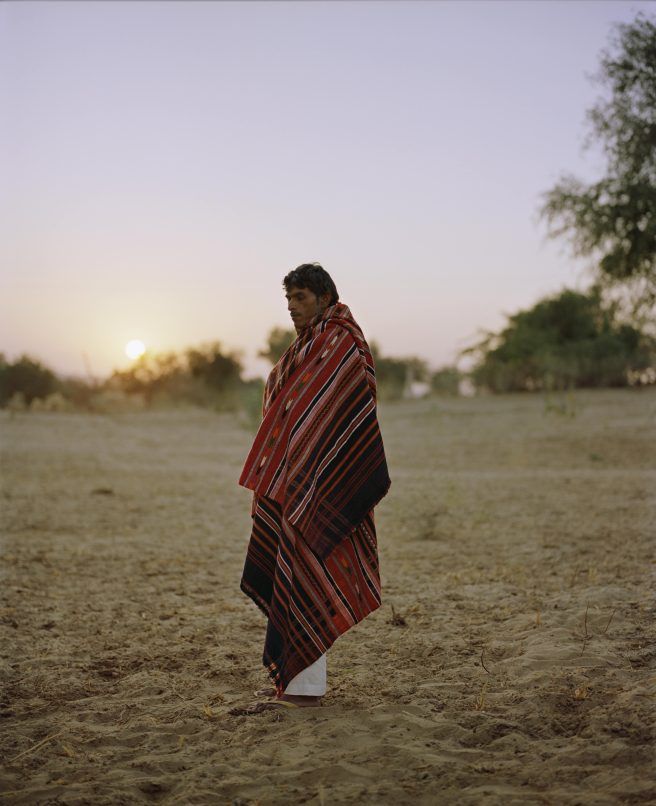
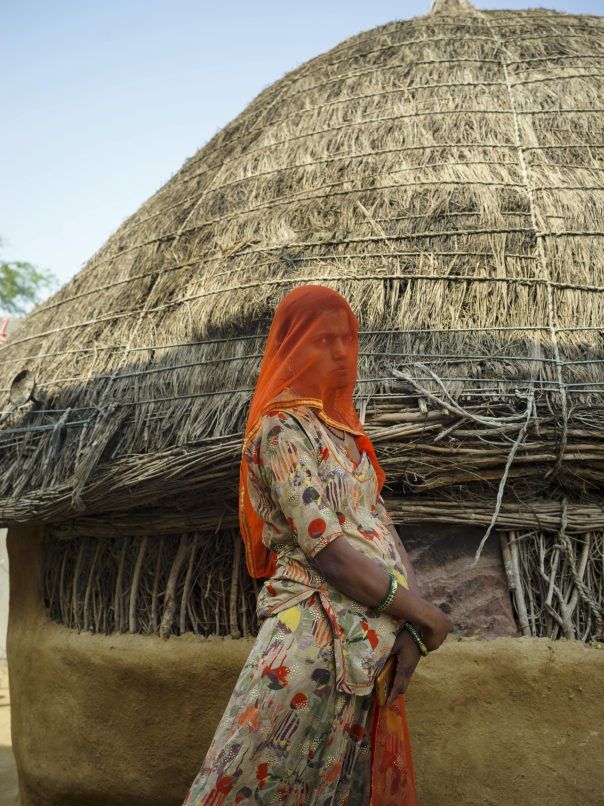
Spinning stories through design, Sanjay Garg of Raw Mango gives us an intimate look into the life of the local artisans with their new documentary series, ‘Point of Origin’.
The designs at Raw Mango follow the various cultures of India with handloom serving as the thread that ties it all together. As a storyteller myself, I have keenly followed each of these stories spun by Sanjay Garg and his label – be it through their artisanal designs or through their musical endeavours with LIFAFA and even the medium of film and photography that Raw Mango often dabbles in. Recently, on the occasion of National Handloom Day and the release of Raw Mango’s documentary series, ‘Point of Origin‘, I caught up with the man behind the craft, or should I say the man behind the ones that craft.

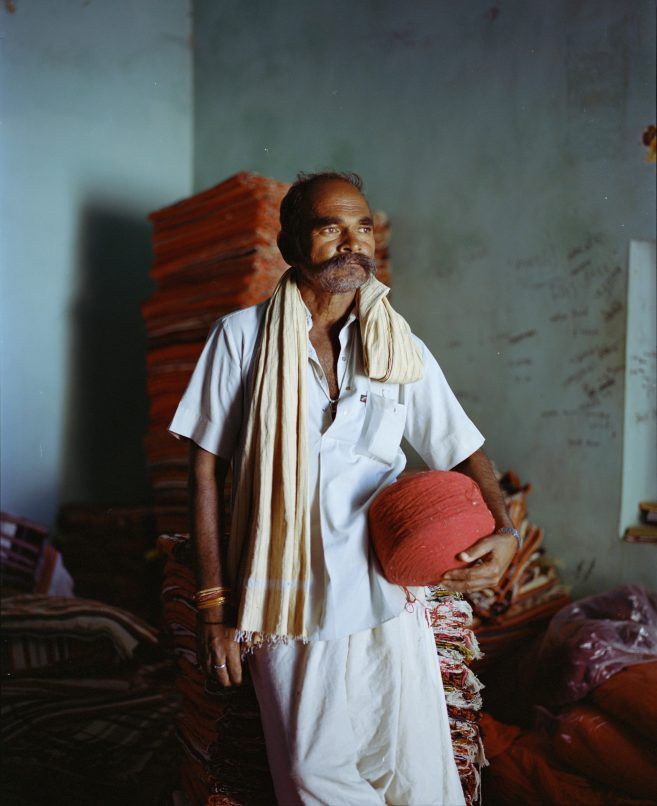
With his humble demeanour, Sanjay promises, “We are also working on something very unique for the next year or the end of this year.” From art museums to fashion shows and a long list of accolades, the unconventional designs of Raw Mango have steadily raised a hefty crowd of followers of their craft, and they seem to have no plans of stopping. Here is a conversation with the founder himself, on the platform Raw Mango gives to the local stories of India, embodied in art.
Sanjay Garg of Raw Mango on art, craft and the complexities of India

Raw Mango’s new documentary series, ‘Point of Origin’ is set in Rajasthan which is also your birth state. How does your background and culture affect your design and how does ‘Point of Origin’ act as a medium to showcase that?
Yeah, that’s exactly what the documentary reflects and that culture is, that design is, just one of the parts of it, right? It shows the whole day and environment, the food, the living everything. From the culture to the music to the festivals. Everything, the reasonability, the religion, everything makes you what you are as a person and everything is a very essential part of the design. The design has no importance and no relevance according to me if there aren’t these other things, you know? Everything influences each other. And that, I think is very much reflected in the documentary.

As the director of the documentary and also as a fashion designer, where do you as the creative mind behind it all think fashion and film meet?
I don’t see myself as a fashion designer. And I think as far as design, my medium is textile according to all of you. So, my medium to my audience or the medium through which my audience has understood me, is textile and they think this is the only medium I can reflect through but I myself do not want to limit myself to it. I think I’m saying the same things that I say through textiles with the film or graphics or Raw Mango’s album called Ghar, objects, store designs, furniture, everything. And I do not really limit myself that way. I don’t really see myself as just a textile designer.
So, would you say you see yourself as more of an artist?
I think I live between design and craft, I would say.
Would you think of all of these things be it design or craft, as a form of art? And if so, as a design house, how would you explain the art that Raw Mango creates?
I don’t think I call myself an artist. I just say I’m a producer of artisanal textiles, you know. What I’m trying to say is that when you say art, it becomes so high-end that it means other things entirely. I think what I’m interested in is what I do in the commercial world, to be understood as art. That excites me more. Like in India, we don’t really separate art like Kala or dance or you know, like, everything becomes one, we don’t see it separately. In the same way, I don’t view art and commercials separately. That’s why for some it is an art. I’ve been shown in art galleries or museums and at the same time, I’ve been bought and worn by someone. That is Raw Mango. As I said India is very complex, where you have Ganesh Chaturthi to you know, to many other things, and everything is involved, very interwoven. So, I see myself like that. I don’t see any separation between an artist and a designer.
How do you as a homegrown label interpret the various cultures of India through your designs and products? How does Raw Mango tell the stories of the weavers and local artisanal products of our country through its design?
I mean, I just want to say that we are the biggest in the world. We are one of the countries of storytelling. We have the biggest oral tradition, right? And so many stories have been told. And yet when people talk about fashion communication, people look at the West for campaigns and inspiration. And what I want to say is that our country is the biggest storyteller in the world. And we have so many stories to tell. We have so many stories, cultures, breeds, creeds. So, I just look within. And that’s what reflects in my work.

Handloom has been at the heart of Raw Mango. What are the achievements in that sphere that you are most proud of? What is a message you’d like to give to the consumers of handloom?
Well, first of all, if you ask me, I would like you all to decide our achievement. I mean, you know, you give me a name. That’s one thing. Second, well personally, I think our biggest contribution is Chanderi. And then what you see, Varanasi in everyone’s wardrobe and the Lehenga. We definitely brought that, our first-ever brocade Lenga, in 2014. The brocade, the whole collection. The first collection was completely dedicated to Varanasi. And as I said, our contribution to Chanderi, you know seeing the popularity of Chanderi today. These are the very main things. In a way, we completely, disrupt the Indian wedding market. It was only about embroidery and then, you know that what happened after that. As for a message, I think as long as we buy handloom and as long as we wear them, that’s what is going to survive the tradition.
All images: Courtesy Raw Mango.
link