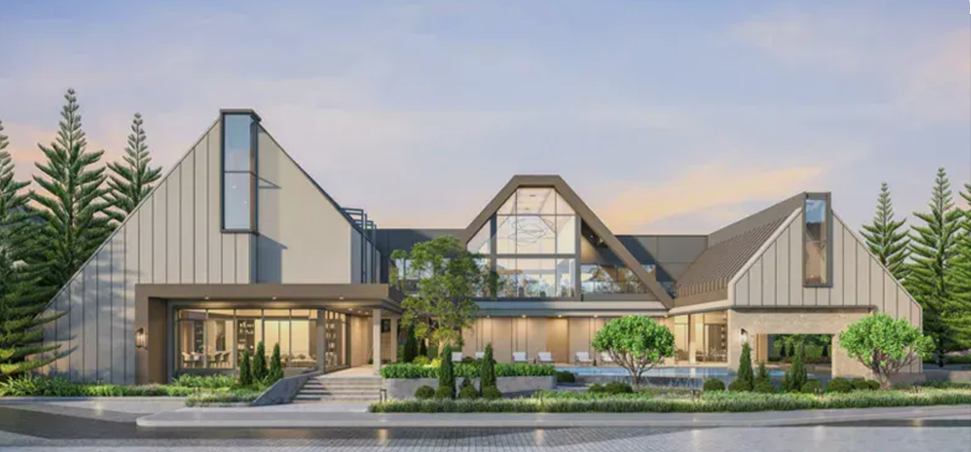
A roof is more than a protective cover for a house. It influences the building’s appearance, indoor comfort, and long-term maintenance requirements. In modern residential architecture, homeowners increasingly look for designs that combine clean lines, practical construction, and materials suited to Indonesia’s tropical climate. A well-planned minimalist roof design can help create a home that looks balanced and contemporary without relying on excessive decorative details.
From compact urban houses to spacious family residences, minimalist roofing offers plenty of opportunities to balance aesthetics and functionality. The key is to consider the roof shape, drainage, ventilation, material selection, and colour as parts of one integrated design.
1. Understanding the Principles of Minimalist Roofing
Minimalist architecture focuses on simplicity, proportion, and purposeful details. Roofs designed in this style commonly feature geometric forms, uncluttered surfaces, and a clear relationship between the roof and the building’s overall structure.
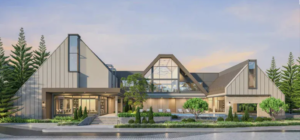
Popular options include single-slope roofs, simple gable roofs, and carefully designed combinations of flat-looking forms with concealed drainage systems. Each option creates a different visual effect. A single-slope roof can emphasise a contemporary profile, while a gable roof offers a familiar shape that can be adapted to modern façades.
However, minimalist does not mean ignoring technical requirements. Roof pitch, structural support, waterproofing, and rainwater discharge must be planned carefully. A design that looks simple from the street may require detailed engineering to perform properly during heavy rainfall.
2. Choosing a Roof Shape for Your Home
The most suitable roof shape depends on the building layout, local weather, available space, and architectural concept. Homeowners should consider how the roof will look from different viewpoints, including the front elevation and neighbouring properties.
A gable roof is often practical for homes that need straightforward rainwater drainage on two sides. A mono-pitch roof can complement narrow urban lots and contemporary façades. Meanwhile, a combination roof may help define different functional areas, such as the main living space, carport, and outdoor terrace.
Before choosing a shape, discuss the design with an architect or qualified building professional. Check the roof’s drainage direction, gutter placement, access for maintenance, and compatibility with the proposed roofing material.
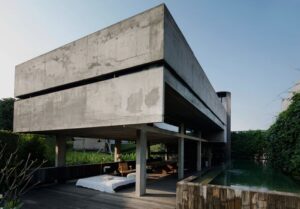
For additional inspiration, explore these examples of minimalist roof design. Reviewing several roof forms can help homeowners identify a style that suits their property rather than simply following a visual trend.
3. Selecting Roofing Materials for Tropical Conditions
Indonesia’s climate presents several challenges for residential roofs, including intense sunlight, high humidity, and periods of heavy rain. Roofing materials should therefore be selected according to their performance characteristics, installation requirements, and suitability for the building’s location.
Coated steel roofing is one option for contemporary homes. Its relatively lightweight construction can be useful when planning roof structures, although the required framing and support must always be determined through appropriate structural calculations. Factory-applied coatings also provide colour and surface protection, with performance depending on the specific product and exposure conditions.
Material selection should take account of the distance from the coast, surrounding industrial activity, roof slope, and maintenance access. Buildings near the sea may face greater exposure to airborne salt, making product suitability and installation details particularly important.
Homeowners can review the range of colorbond indonesia products to explore available applications and finishes. Product specifications, warranty conditions, and recommendations for the intended building location should be checked before making a final decision.
4. Choosing Colours That Complement the Architecture
Roof colour can influence the character of a home as much as its shape. Neutral shades such as grey, charcoal, and muted earth tones often complement minimalist architecture because they create a cohesive appearance without overwhelming the façade.
Lighter shades can create a softer visual impression, while darker colours may provide a strong contrast against white walls, natural timber, or pale stone. The best choice depends on the overall colour palette, surrounding landscape, and amount of natural light.
It is also important to consider thermal performance. Colour can affect how much solar energy a roof absorbs or reflects, but the final indoor temperature depends on several factors, including insulation, ventilation, roof construction, and building orientation. A carefully selected roofing system should therefore be assessed as a complete assembly rather than by colour alone.
Before committing to a finish, request physical samples where available. View them in morning and afternoon light and compare them with the exterior wall materials. This simple step can help avoid unexpected differences between a sample and the finished building.
5. Improving Comfort Through Ventilation and Drainage
A visually attractive roof should also support a comfortable indoor environment. In tropical houses, roof design needs to account for heat accumulation, moisture, and heavy rainfall.
Adequate roof-space ventilation can help remove accumulated hot air when designed appropriately for the building. Ceiling insulation, reflective roofing characteristics, and suitable ceiling construction may also contribute to thermal comfort. The right combination depends on the local climate, building orientation, and intended use of each room.
Rainwater management deserves equal attention. Gutters, downpipes, flashing, and roof valleys must be sized and installed correctly to reduce the risk of leaks and water overflow. Roof edges and connections should be detailed to direct water away from walls, foundations, and entrances.
Regular inspection is useful even when durable materials are selected. Remove accumulated leaves and debris from gutters, check joints after severe weather, and address damaged components promptly. Preventive maintenance helps preserve both the roof’s appearance and its practical function.
6. Balancing Budget, Durability, and Maintenance
The initial price of roofing materials is only one part of the overall project cost. Homeowners should also consider installation labour, supporting structures, insulation, drainage components, and future maintenance.
A lower purchase price may not represent the best long-term value if the system requires frequent repairs or is unsuitable for the site’s environmental conditions. Conversely, choosing a more expensive finish without considering the building’s actual needs may increase costs without delivering a meaningful benefit.
Request itemised quotations that clearly identify material specifications, installation scope, accessories, and warranty terms. Confirm that the installer follows the manufacturer’s guidance and that the design meets applicable building requirements.
Maintenance expectations should be discussed before construction begins. Although some roofing systems are designed to require relatively little routine care, no roof is entirely maintenance-free. Appropriate installation, periodic inspections, and prompt repairs remain essential for long-term performance.
7. Bringing the Roof Design Together: A Practical Checklist
A successful minimalist roof brings together appearance, climate suitability, construction quality, and budget. Instead of selecting a roof based only on photographs, homeowners should evaluate how each design will function on their own property.
Use this checklist during the planning stage:
- Architectural fit: Does the roof shape complement the building’s proportions and façade?
- Climate suitability: Is the roofing material appropriate for local rainfall, sunlight, humidity, and coastal exposure?
- Drainage: Are roof slopes, gutters, downpipes, and discharge points properly planned?
- Thermal comfort: Have ventilation, insulation, and other heat-management measures been considered?
- Colour coordination: Does the roof finish work with the walls, windows, doors, and surrounding landscape?
- Installation quality: Are the structural design, fixing method, and flashing details suitable for the selected system?
- Long-term costs: Are maintenance needs, product specifications, and warranty conditions understood?
Taking time to assess these factors can help prevent costly changes during construction. It also gives homeowners a clearer basis for discussing options with architects, contractors, and roofing suppliers.
Quick Q&A
Is a minimalist roof suitable for a tropical house?
Yes. Minimalist designs can work well in tropical settings when roof slopes, ventilation, insulation, and drainage are planned for local conditions.
Which roof shape is best for a small house?
There is no universal answer. Single-slope and gable roofs are common options, but the best choice depends on the floor plan, site constraints, budget, and architectural design.
Does roofing colour affect indoor temperature?
It can influence solar heat absorption and reflection. However, insulation, ventilation, roof construction, and building orientation also affect indoor comfort.
What should homeowners check before buying roofing materials?
Review the product specifications, suitability for the site, installation requirements, maintenance guidance, and applicable warranty terms.
Ultimately, a well-designed minimalist roof is not simply about achieving a modern appearance. It is about choosing a practical form, suitable materials, and sound construction details that work together. With careful planning, homeowners can create a roof that complements their architecture while responding to the everyday demands of Indonesia’s tropical environment.